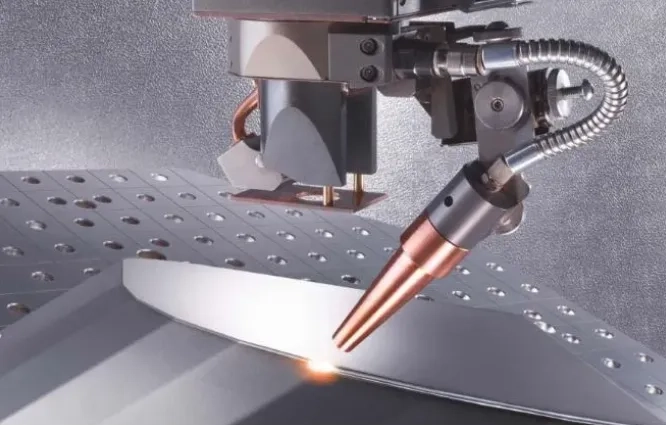
30-06-2025 Applicable scenarios and industries of laser welding 1.Heat conduction welding is mainly used for precision processing, such as visible edge processing of metal sheets, medical technology, etc.; 2.Deep penetration welding and brazing are mainly used in the automotive industry, among which deep penetration welding is used for car body, transmission, housing, etc.; brazing is mainly used for car body welding; 3.Laser conduction welding can process non-metals and has a wide range of applications. It can be used in consumer goods, automotive industry, electronic housing, medical technology, etc.; 4. Composite welding is mainly suitable for special steel structures, such as ship decks.
Read More 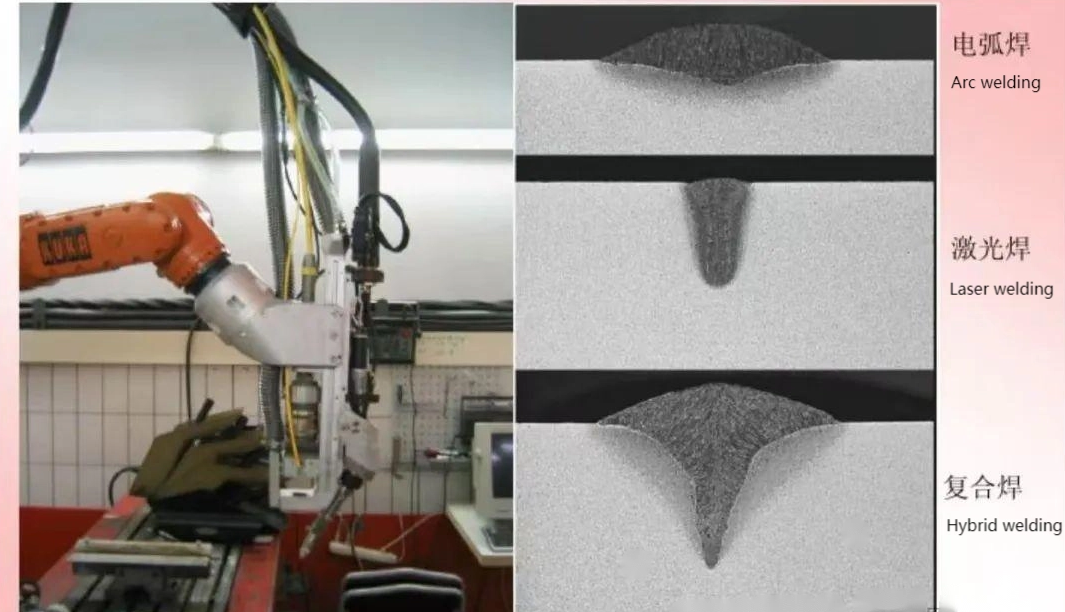
18-06-2025 Actual case: After Volkswagen adopted laser-MIG hybrid welding technology, the efficiency of the body production line was significantly improved by 40%, while the weight of the body was reduced by 15%. This not only speeds up the production rhythm and reduces production costs, but also helps the energy conservation and emission reduction goals of automobiles, fully demonstrating the huge advantages and application value of laser hybrid welding technology in the field of automobile manufacturing.
Read More 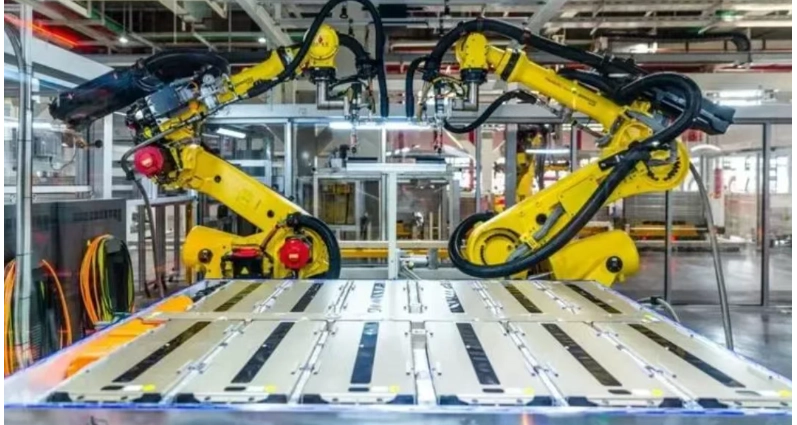
01-06-2025 From the manufacture of energy storage battery cells to the assembly of battery PACKs, welding is a very important manufacturing process. The conductivity, strength, air tightness, metal fatigue and corrosion resistance of lithium batteries are typical battery welding quality evaluation standards. The selection of welding methods and welding processes will directly affect the cost, quality, safety and consistency of the battery.
Read More 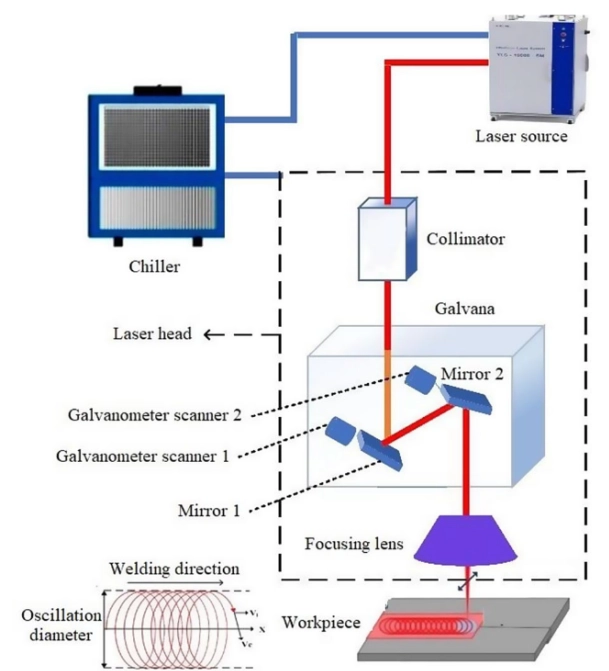
25-04-2025 Application background Laser oscillating welding technology was born out of the urgent need for welding quality and efficiency in modern manufacturing. Traditional welding technology has deficiencies in precision, strength and complex structure, which has prompted the rapid application of laser welding in various fields. However, it still has defects such as pores and cracks, and has limitations in welding dissimilar materials and complex-shaped parts. It is difficult to meet the stringent requirements of high-end fields such as aerospace and automobile manufacturing, affecting product quality, safety, production efficiency, etc., and increasing the manufacturing cost of enterprises. Against this background, laser oscillating welding technology came into being.
Read More 

