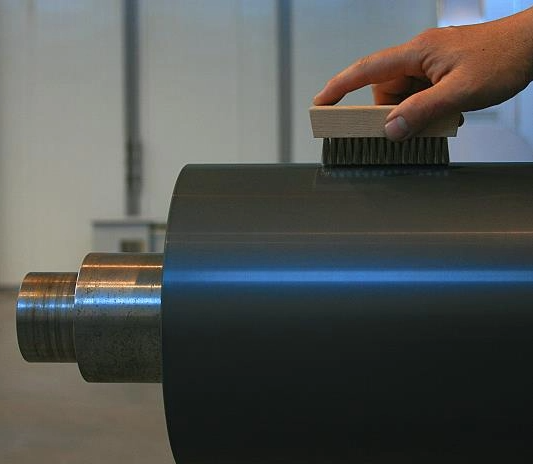
10-03-2026 There are no shortcuts to cleaning anilox rolls. Strict and routine cleaning must begin from the first use of a new roll and be performed in accordance with regulations and procedures. Once water-based ink dries inside the cells, dissolving and removing the resin becomes an extremely difficult restoration process. It can only be achieved with great difficulty using a combination of chemical and physical methods, and this process can easily cause irreparable damage to the anilox roll.
Read More 
30-01-2026 As the global manufacturing industry places increasingly stringent demands on environmental protection, efficiency and precision, laser cleaning—an innovative non-contact, pollution-free and high-precision surface treatment technology—is ushering in a green revolution for the traditional wood products industry. Studies have shown that precise control of laser parameters (e.g., wavelength, power, pulse width) enables the effective removal of contaminants such as paint, glue, stains and mold from wood surfaces without damaging the wood substrate. This technology is particularly suitable for the restoration of exquisite wood veneers, complex carved components and cultural relics. Additionally, laser surface treatment can be applied to wood surfaces to alter their color, improve surface wettability, enhance the performance of surface coating materials, and boost anti-corrosion and anti-mold properties. Looking ahead, with the integration of intelligent technologies such as beam shaping, ad
Read More 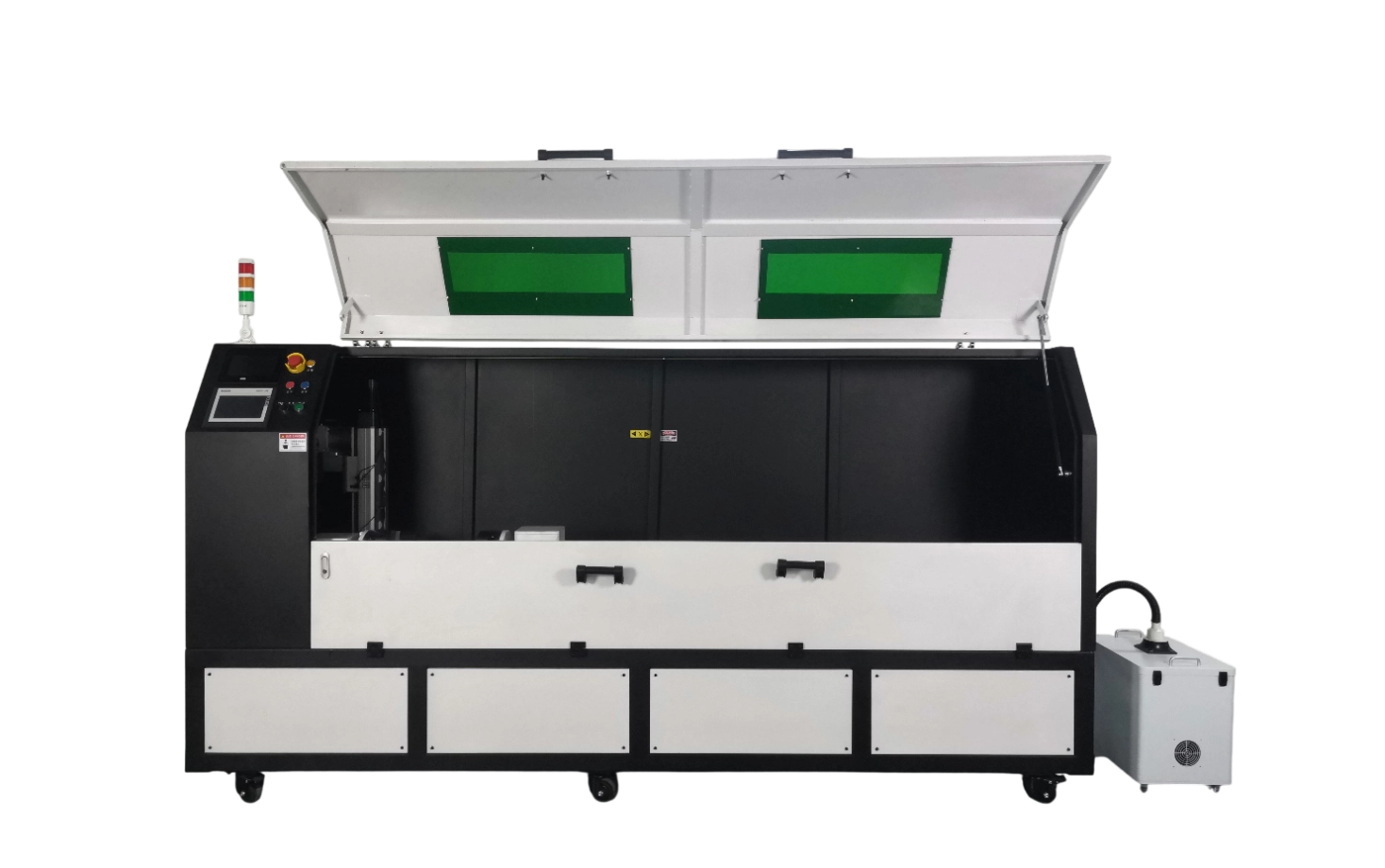
15-01-2026 The ink blocking the cells affects the printing quality, which is a pain point that the flexo printing industry has been difficult to solve. The anilox rollers that have been working for a long time, in addition to part of the damage caused by wear and tear, will also be scrapped due to the reduced cell volume, which affects the printing efficiency and quality. Deep cleaning at least 1-2 times a year will restore the anilox roller as new, prolong the service life of the anilox roller, improve printing quality, and reduce ink loss.
Read More 
15-11-2025 Laser cleaning technology was first applied to the cleaning and maintenance of cultural relics in the 1970s, following the invention of the laser. It represents an effective attempt and successful application of advanced laser technology in the protection of traditional cultural heritage. Compared with traditional methods such as mechanical, chemical, and ultrasonic cleaning, laser cleaning offers unique advantages, including selectivity in target application, environmental friendliness, non-contact nature, and high controllability, gradually becoming a crucial means of cleaning, restoring, and protecting cultural relics. After decades of development, modern laser cleaning technology has achieved a technological leap from nanosecond to femtosecond ultrashort pulses, with cleaning precision reaching the micrometer level. It has become a "precision scalpel" in the field of modern cultural relic protection, and laser cleaning trials have begun on actual cultural relics such as stone artif
Read More 

